
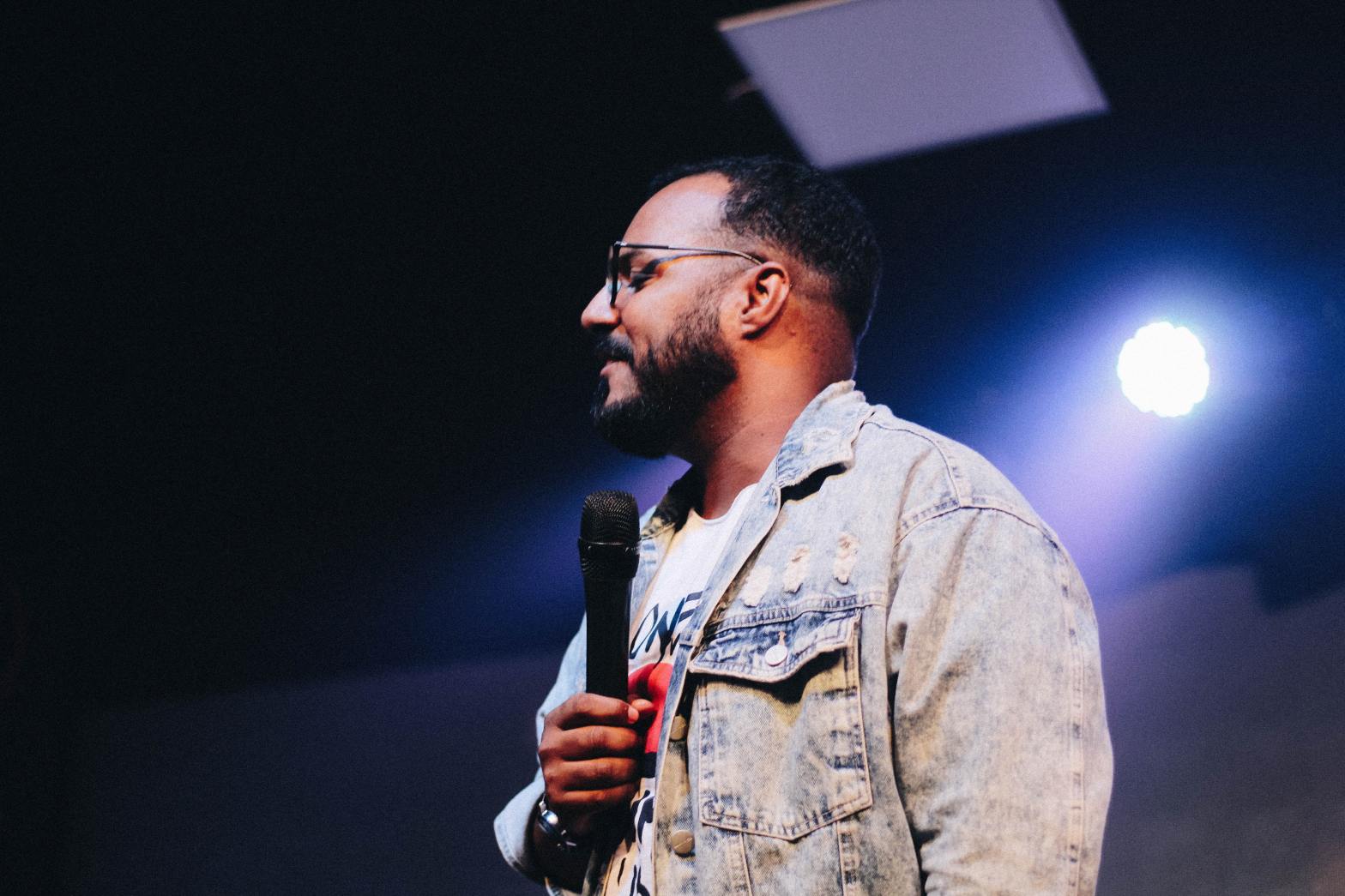
When you go to the GP (in a lot of the UK anyway) most doctor’s surgeries have multiple doctors. Having multiple doctors is fine, until you never see the same doctor twice for the same issue, it means that you’re often explaining the situation over and over again and getting different approaches to treatment. Most people I know want to see the same doctor. I think the same principle should apply to preaching. I would argue that it is more beneficial for the local church when the congregation are taught by the consistent preaching of the Pastor and other Elders.
The role of preaching is not merely a practical task but it is a theological and pastoral responsibility. It is through the preaching of God’s Word that the church is nourished, instructed, and shaped into the likeness of Jesus. Given the importance of preaching in the life and health of the church, the question of who should preach regularly is very important. The biblical and practical case strongly supports that the primary preachers in the local church should be its pastor and elders.
1. Biblical Qualifications and Responsibilities
The New Testament makes clear that elders (also called overseers or pastors) are entrusted with the spiritual oversight of the local church (Acts 20:28; 1 Peter 5:1–4; Titus 1:5–9). A key part of their calling is the ministry of the Word. Paul instructs Timothy that an elder must be “able to teach” (1 Tim. 3:2) and must “hold firmly to the trustworthy word as taught” so that he can give instruction in sound doctrine and rebuke those who contradict it (Titus 1:9).
This teaching ministry is not secondary or optional. It is a fundamental part of what it means to be a shepherd of God’s flock and an under shepherd of the Lord Jesus. Preaching is the primary way elders feed the flock, guard it from error, and equip it for godly living (Eph. 4:11–13). Therefore, it makes sense that those who have been entrusted with spiritual oversight should be the ones delivering the majority of the preaching.
2. Authority Rooted in Relationship and Accountability
Preaching is not an exercise in public speaking or a theological exposition, it is an act of spiritual authority. When a man stands to preach in the gathered church, he speaks not only as a teacher but as a shepherd under the authority of Christ. The regular preaching of God’s Word should come from those who know the church, are known by the church, and are accountable to the local church.
The pastor and elders, those who have been recognised, examined, and appointed by the church according to biblical criteria, are the appropriate people to carry out the preaching ministry. They do so with the weight of pastoral responsibility and the relational integrity that comes from long-term investment in the lives of the congregation.
Regularly outsourcing the preaching ministry to external speakers risks undermining the shepherding role of the elders and weakening the spiritual bond between leadership and congregation.
3. Theological Integrity and Doctrinal Consistency
One of the pressing challenges in the church today is the maintenance of sound doctrine. In the UK, where Christian belief is increasingly marginalised and theological drift is common even within evangelical circles, consistency in the pulpit is vital.
By having the pastor and elders serve as the primary preachers, the church benefits from a steady and coherent theological voice. The preaching ministry becomes a means of doctrinal formation and stability. It ensures that the teaching is not only biblically faithful but also aligned with the church’s convictions and theological identity.
Elders are charged with guarding the doctrine of the church, and this includes what is proclaimed from the pulpit week by week. When preaching is shared widely the risk of confusion or doctrinal error increases. But when those who lead the church theologically are also those who preach, the result is clarity, continuity, and integrity.
4. Modelling and Discipleship
The regular preaching of pastors and elders also serves as a model of mature Christian living and discipleship. Preaching is not merely informative; it is formative. It shapes the hearts and lives of God’s people. Elders, who are required to be examples to the flock (1 Peter 5:3), preach not only with their words but with their lives.
The congregation benefits immensely when they hear God’s Word regularly from those they see living it out in pastoral care, decision-making, and daily service. This connection deepens the impact of the preached word. It makes the sermon more than an abstract lecture—it becomes more relational and pastoral.
Moreover, this consistency allows the congregation to be discipled in how to handle Scripture, how to think theologically, and how to live faithfully in the complexities of the world and culture we live in.
5. Encouraging Church Maturity, Not Celebrity Culture
In an age when the church is tempted toward personality-driven ministry, having the pastor and elders as the primary preachers fosters a culture of faithfulness rather than fame. It reminds the church that preaching is not about performance but pastoral care. It’s not about the most gifted speaker, but about faithful shepherding.
By rooting the preaching ministry in the local, known, and accountable leadership of the church, we resist the drift toward entertainment and re-centre the pulpit on the life-giving Word of God preached by those tasked with shepherding souls.
The consistent preaching of the pastor and elders in the local church is not merely a matter of convenience or tradition, it is a matter of biblical fidelity, pastoral responsibility, and spiritual wisdom. In an evangelical setting, where Scripture is held as the supreme authority for faith and practice, it makes both theological and practical sense for those entrusted with the care of the flock to be the ones who feed it through the preaching of God’s Word. A faithful preaching ministry, led by the church’s shepherds, is one of the surest ways to guard the church, grow the saints, and glorify Christ.
 Chalmers' Blog
One thought on “Why Local Pastors Should Preach Consistently”