
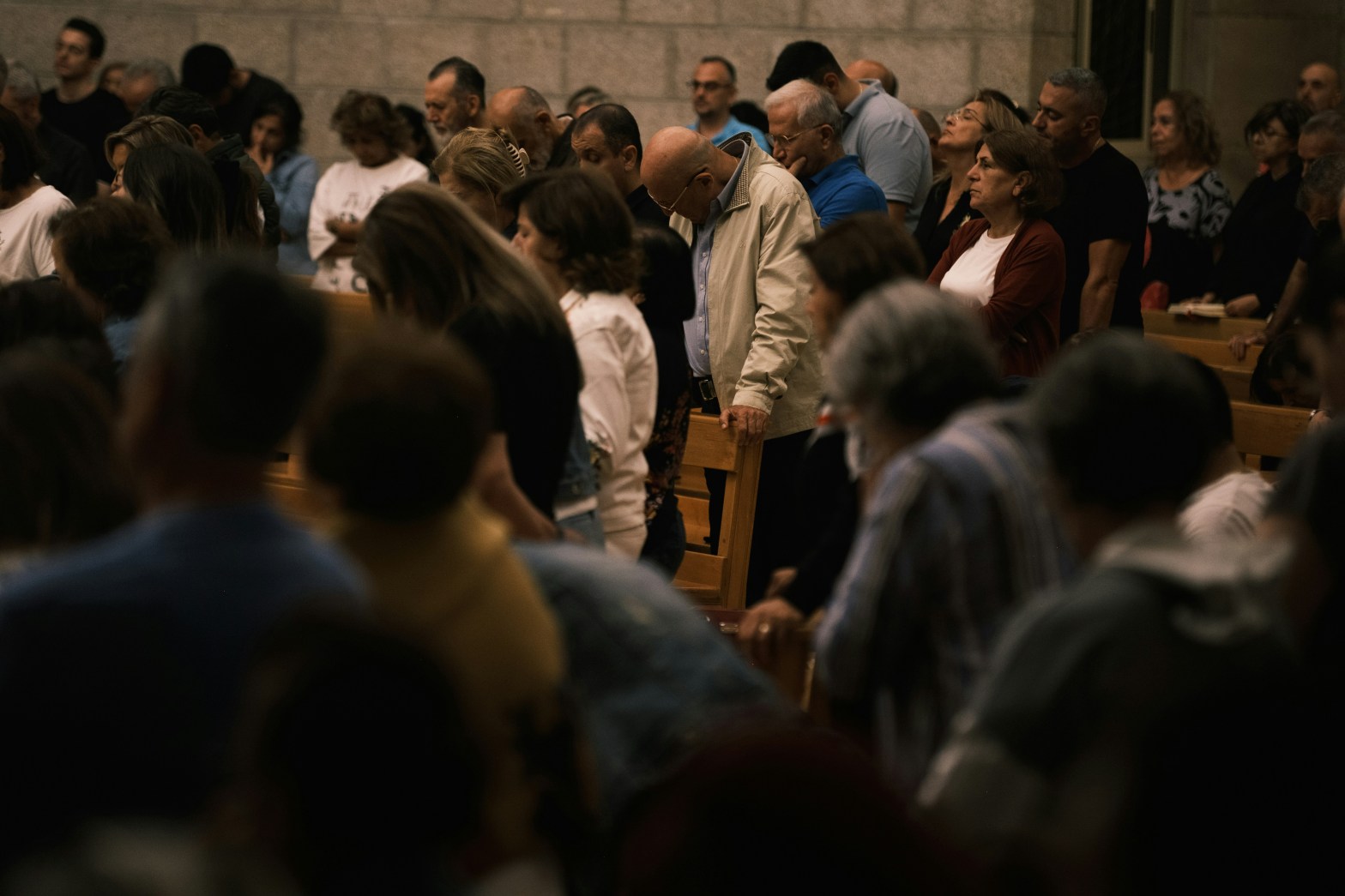
For a while, the headlines were wonderfully encouraging. Christianity was making a comeback. Young people were returning to church. After decades of decline, Britain was apparently experiencing a quiet revival. Christians understandably rejoiced. Pastors shared the statistics. Churches celebrated the prospect of renewed spiritual interest. Perhaps the tide was turning.
Then came the uncomfortable news.
In March 2026, the Bible Society withdrew its Quiet Revival report after YouGov acknowledged serious problems with the survey data. Research from the National Centre for Social Research subsequently found no evidence of a nationwide revival in church attendance.
Suddenly, the encouraging narrative wasn’t quite so straightforward. So, what should Christians make of all this? More importantly, should our confidence in the gospel rise and fall with the latest statistics?
We Must Be People of Truth
Let’s begin with something that should be obvious. Christians ought to care about the truth. We worship the God who cannot lie (Titus 1:2). We follow Jesus Christ, who declared himself to be the truth (John 14:6). We are commanded to put away falsehood and speak truthfully (Ephesians 4:25). That commitment shouldn’t disappear when inaccurate information happens to support something we desperately want to believe.
There is a temptation to share encouraging statistics without examining them carefully. Particularly when those statistics appear to confirm our hopes. But a good story isn’t necessarily a true story. We should be encouraged when credible evidence suggests spiritual interest is increasing. Equally, we should have the humility to acknowledge when evidence proves unreliable. Christian integrity requires both.
Of course, national surveys cannot tell us everything. They measure particular behaviours and attitudes. They cannot see the human heart. Individual churches may genuinely be experiencing significant growth, conversions and renewed spiritual hunger even while national attendance remains low.
But we must distinguish what we hope is happening from what we can reasonably demonstrate. The gospel does not need exaggerated evidence to establish its credibility.
Revival Is More Than Increased Attendance
We also need to ask what we mean by revival. If a church suddenly doubles in size, is that revival? If thousands begin attending Christian events, does that necessarily indicate spiritual awakening? Not automatically.
Crowds followed Jesus during his earthly ministry. Many were fascinated by his miracles. Some enjoyed his teaching. Others wanted the benefits he could provide. Yet Jesus knew that enthusiasm wasn’t always faith (John 2:23–25). In John 6, large crowds followed him after the feeding of the five thousand. But when his teaching challenged their expectations, many turned back and stopped following him.
Numbers, by themselves, aren’t reliable measures of spiritual life.
Acts 2 provides a richer picture. Following Peter’s proclamation of the crucified and risen Christ, thousands responded in repentance and faith. But notice what followed. These new believers devoted themselves to the apostles’ teaching, fellowship, the breaking of bread and prayer (Acts 2:42). Their conversion produced commitment. They weren’t simply interested in Christianity. Their lives were being transformed by Christ.
If Britain is to experience genuine spiritual renewal, we should long for more than increased religious curiosity. We should pray for people to recognise their sin, trust in Jesus, submit to Scripture, commit to local churches and grow in holiness. Revival isn’t merely people becoming interested in Christianity. It is God powerfully bringing sinners to life through the gospel.
Our Confidence Was Never in the Statistics
There is something revealing about how easily Christians can become discouraged by disappointing reports. Why? Perhaps because we sometimes measure the health of Christianity using the same categories that the world uses to measure success. Popularity. Influence. Growth. Visibility. Now, church growth is worth celebrating. Every genuine conversion is an occasion for joy in heaven (Luke 15:7). But the Christian’s confidence must rest somewhere deeper.
In 1 Corinthians 3:6, Paul writes, “I planted the seed, Apollos watered it, but God has been making it grow.” Paul recognised his responsibility to preach and serve faithfully. But he also recognised that spiritual life ultimately comes from God. That is wonderfully liberating. The church’s future doesn’t depend upon impressive statistics, clever marketing or favourable cultural conditions. It depends upon the sovereign God who saves sinners. And that God hasn’t changed.
The same Lord who brought Lydia to faith in Philippi, opened hearts in Corinth and established churches throughout the Roman world remains powerful to save today. We don’t need to manufacture a revival. We need to faithfully proclaim Christ.
What Should Churches Do Now?
I would suggest three things.
First, pray expectantly.
Pray for conversions. Pray for gospel opportunities. Pray that our churches would see people rescued from darkness and brought into Christ’s kingdom. We should never allow disappointing statistics to diminish our expectations of what God can do.
Second, preach faithfully.
It is tempting to assume that reaching a changing culture requires continually changing our message. But Paul reminds us that the gospel itself is God’s power for salvation (Romans 1:16). We can adapt how we communicate without compromising what we communicate.
Third, make disciples, not merely attendees.
If somebody visits church because they are curious about Christianity, rejoice! Welcome them warmly. Answer their questions. Open the Bible with them. But don’t mistake attendance for conversion. Our task is not simply to fill buildings. It is to proclaim Christ and help people follow him.
The Hope That Cannot Be Withdrawn
Perhaps Britain is witnessing the beginnings of something remarkable. Perhaps interest in Christianity will increase significantly over the coming years. I sincerely hope so. But even if it doesn’t, the fundamental realities remain unchanged.
Jesus Christ is risen.
The gospel is still true.
The Holy Spirit is still at work.
And Christ is still building his church.
A research report can be withdrawn. A statistical trend can be reversed. A promising cultural moment can disappear. But the promises of God cannot fail.
So, let’s be encouraged by genuine signs of spiritual life without becoming dependent upon them. Let’s remain committed to the truth, even when the truth disappoints our expectations. And above all, let’s continue doing what the church has always been called to do. Preach Christ. Love people. Make disciples. Trust God for the growth.
Our hope was never in the numbers. Our hope is in the Lord Jesus Christ.

